








Best Handheld Gaming Computer 2026: Complete Reviews & Buying Guide
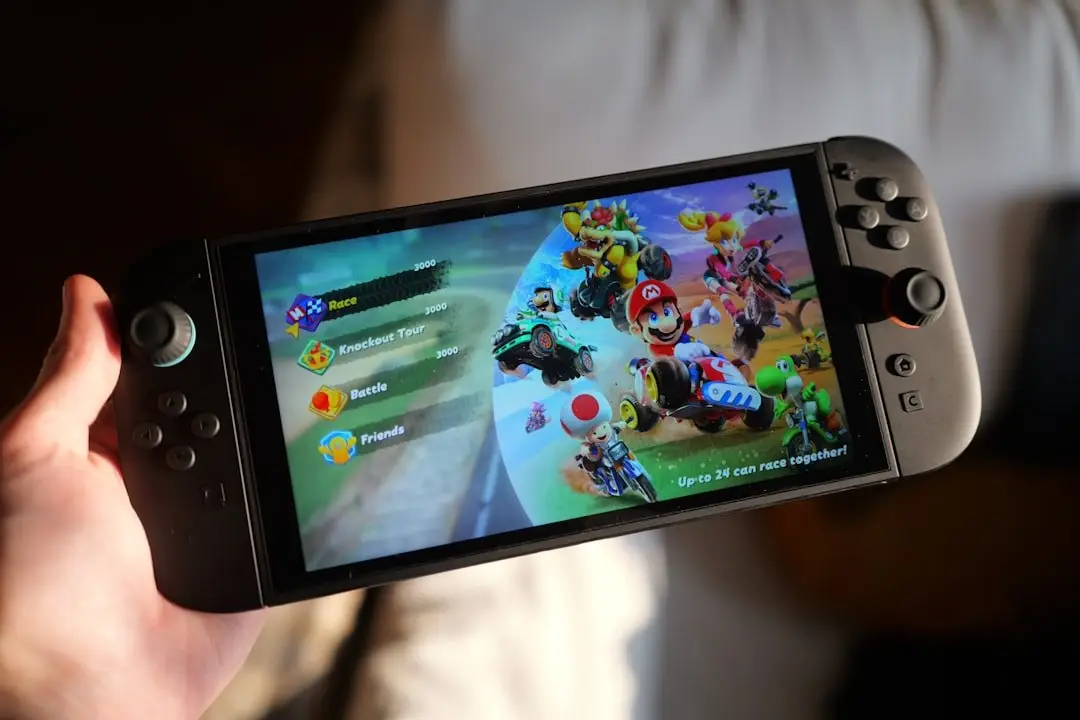
Desktop gaming chains players to stationary setups. Handheld gaming Computers eliminate location restrictions while delivering genuine Windows or Linux PC gaming experiences in portable 7-10 inch designs. Modern gaming handhelds run AAA titles like Cyberpunk 2077, Elden Ring, Baldur’s Gate 3 at playable framerates—flagship AMD Ryzen Z1 Extreme models hit 60+ FPS in competitive games while budget options provide 30-40 FPS 720p gaming under $400.
Choosing the best handheld gaming Computer requires understanding performance tiers and feature priorities. Premium devices like ASUS ROG Ally X pack Ryzen Z1 Extreme chips with 24GB RAM achieving desktop-class performance. Mainstream options including Steam Deck OLED balance affordability with solid 800p gaming capability. Specialized form factors—sliding keyboards, foldable dual screens, massive 10-inch displays—address specific gaming preferences beyond standard controller layouts.
This comprehensive guide examines 20 leading handheld gaming Computers spanning flagship performance monsters to budget-friendly entry options. We analyze ASUS ROG flagships, Valve’s Steam Deck ecosystem, Lenovo’s large-screen Legion Go, MSI’s AI-enhanced Claw series, AYANEO’s diverse lineup, OneXPlayer’s premium offerings, GPD’s compact powerhouses, plus emerging competitors. Detailed specifications, real-world gaming benchmarks, battery life testing, and use-case recommendations enable confident selection matching your gaming library and portability needs.

Explore Gaming Handhelds at Devixo Store
Browse 20 reviewed handheld gaming PCs with verified specs, competitive pricing $45-$1,200, expert consultation on performance requirements, game compatibility, battery expectations.
Handheld Gaming PC Market 2026: Technology & Performance Tiers
Handheld gaming represents fastest-growing PC gaming segment with 2026 market exceeding 4.2 million units annually. Three distinct processor ecosystems dominate—AMD Ryzen Z1 series powers premium Windows handhelds, Intel Core Ultra processors drive MSI’s latest offerings, while custom AMD APUs fuel Valve’s Steam Deck lineup. Performance spans 720p 30fps budget gaming through 1080p 60fps flagship capabilities rivaling entry gaming laptops.
Processor Architecture Comparison
AMD Ryzen Z1 Extreme represents current performance king with 8-core Zen 4 architecture and RDNA 3 graphics delivering 8.6 teraflops compute power. Standard Ryzen Z1 cuts to 6 cores providing mid-range gaming at lower power consumption. Intel Core Ultra 7 155H brings hybrid architecture mixing performance and efficiency cores with Arc graphics competing directly with AMD’s mainstream offerings. Steam Deck’s custom Van Gogh APU optimizes specifically for handheld thermal constraints and battery efficiency.

AMD Ryzen Z1 Extreme Performance
- 8 cores 16 threads Zen 4 architecture reaching 5.1GHz boost
- RDNA 3 graphics with 12 compute units and 8.6 teraflops
- AAA gaming 1080p 40-60 FPS high settings achievable
- 15-25W TDP range balancing performance and battery life
- Native Windows 11 compatibility running entire Steam library
- Premium handhelds ASUS ROG Ally X Lenovo Legion Go OneXPlayer
- Pricing typically $699-$1,199 for flagship configurations
Intel Core Ultra Alternative
- Hybrid architecture 6 P-cores plus 8 E-cores totaling 22 threads
- Intel Arc graphics with 8 Xe cores competitive performance
- AI acceleration through dedicated NPU for future game features
- Competitive 1080p gaming 35-55 FPS depending on title optimization
- MSI Claw 8 AI+ and 7 AI+ exclusive Intel handheld options
- Aggressive pricing $599-$899 undercutting AMD alternatives
- Newer platform with ongoing driver optimization improving performance
Display Technology Standards
Screen quality dramatically impacts handheld gaming experience beyond raw resolution numbers. Steam Deck OLED pioneered vibrant 90Hz HDR displays delivering infinite contrast ratios and 1,000-nit peak brightness transforming visual quality. Traditional LCD panels dominate budget and mainstream segments with 7-8 inch 1920×1200 resolution providing sharp 16:10 aspect ratio gaming. Premium models push 8.8-10.1 inch displays supporting 1600p and 2560×1600 resolutions—excessive for handheld GPU capabilities but enabling desktop docking scenarios.
| Display Type | Resolution Range | Refresh Rate | Brightness | Battery Impact | Gaming Advantage |
| OLED Premium | 1920×1200 | 90Hz | 400-1000 nits | Higher power | Infinite contrast vibrant colors |
| IPS LCD | 1920×1200 | 60-120Hz | 300-500 nits | Moderate con | Balanced cost and quality |
| Hi-Res LCD | 2560×1600 | 120-165Hz | 350-600 nits | GPU Load | Desktop docking clarity |
| Budget LCD | 1280×800 | 60Hz fixed | 250-350 nits | Low Power | Maximum battery life FPS |
Battery Life Reality Check
Manufacturer battery claims rarely reflect actual gaming duration. Real-world testing shows 2-4 hours typical gaming time depending on title intensity and TDP settings. Lightweight indie games like Hades or Stardew Valley stretch 4-6 hours on efficient settings while demanding AAA titles like Cyberpunk 2077 drain batteries within 90-120 minutes at maximum performance. ASUS ROG Ally X addresses this weakness with massive 80Wh battery achieving 3-5 hour AAA gaming—double competing devices.
Extended Battery Champions
- ASUS ROG Ally X 80Wh battery providing 3-5 hours AAA gaming sustained
- Steam Deck OLED 50Wh with efficiency optimizations reaching 4-6 hours indie gaming
- AYANEO Kun 75Wh large form factor enabling 3-4 hour heavy gaming sessions
- Lenovo Legion Go 49.2Wh with power management stretching 2.5-4 hours mixed use
- GPD WIN Max 2 67Wh laptop-class battery supporting 3-5 hour productivity gaming mix
- Power bank compatibility via USB-C PD extending unlimited play time portably
Battery Life Limitations
- Standard 40-50Wh batteries limit AAA gaming to 90-150 minutes maximum TDP
- High refresh rate displays drain additional 15-25% battery versus 60Hz panels
- Maximum brightness outdoor gaming reduces runtime by 20-30% versus moderate levels
- Performance modes above 15W TDP drastically cut battery life for minimal FPS gains
- Background Windows processes and RGB lighting waste 5-10% battery unnecessarily
- Battery degradation after 300-500 cycles reduces capacity 15-20% over 2 years
Flagship Performance Handhelds: Premium Gaming Power
Premium handheld gaming pcs deliver maximum portable performance through flagship processors, generous RAM configurations, high-quality displays, and refined ergonomics. These devices target serious gamers demanding desktop-replacement capability in portable form factors. Pricing reflects cutting-edge engineering with typical ranges $699-$1,199 for top-tier configurations.
ASUS ROG Ally X
$799

ASUS ROG Ally X represents ultimate handheld gaming PC through massive 80Wh battery, 24GB LPDDR5X RAM, and refined ergonomics addressing original Ally weaknesses. AMD Ryzen Z1 Extreme processor pushes AAA titles 1080p 40-60 FPS while industry-leading battery capacity enables 3-5 hour gaming sessions doubling competitors. This best handheld gaming PC balances raw performance with all-day portability serving hardcore gamers refusing compromises.
- AMD Ryzen Z1 Extreme 8-core processor with RDNA 3 graphics 8.6 teraflops
- 24GB LPDDR5X-7500 RAM unprecedented handheld capacity enabling heavy multitasking
- 1TB M.2 2280 SSD standard with easy user upgradability to 4TB
- 7-inch 1920×1080 IPS touchscreen 120Hz VRR supporting FreeSync Premium
- 80Wh battery massive capacity providing 3-5 hours AAA gaming sustained
- Improved ergonomics deeper grips better button placement versus original Ally
- Windows 11 native full game compatibility Steam Epic GOG Game Pass
- USB4 40Gbps Thunderbolt-class connectivity for eGPU docking potential
Best Battery Life Most RAM
Steam Deck OLED
$549 – $649

Steam Deck OLED perfects Valve’s handheld formula through gorgeous 90Hz HDR display, improved battery efficiency, and refined hardware. The vibrant OLED panel transforms visual experience with infinite contrast ratios and 1,000-nit HDR peaks making this best handheld for visual quality. SteamOS provides curated Linux gaming experience with Proton compatibility layer running 80%+ Windows games seamlessly at budget-friendly $549 entry pricing.
- Custom AMD Van Gogh APU 4-core Zen 2 with RDNA 2 graphics optimized efficiency
- 16GB LPDDR5 RAM adequate for gaming with fast 5500MHz speeds
- 512GB or 1TB NVMe SSD options with microSD expansion slot
- 7.4-inch 1280×800 HDR OLED 90Hz display with 1000-nit peak brightness
- 50Wh battery improved efficiency providing 3-6 hours gaming depending on title
- SteamOS 3.0 Linux-based interface with Windows installation option
- Verified game compatibility 7,000+ titles tested and Steam Deck optimized
- Premium construction WiFi 6E Bluetooth 5.3 connectivity upgrades
Best Display Best Value
Lenovo Legion Go
$699

Lenovo Legion Go targets large-screen enthusiasts through massive 8.8-inch 1600p display and detachable controllers enabling versatile play modes. The innovative FPS mode transforms right controller into desktop mouse for competitive shooters while full Windows 11 provides unrestricted game compatibility. AMD Ryzen Z1 Extreme performance matches ROG Ally in larger ergonomic package appealing to big-handed gamers and desktop replacement seekers.
- AMD Ryzen Z1 Extreme matching flagship performance in larger chassis
- 16GB LPDDR5X-7500 RAM supporting demanding games and multitasking
- 512GB or 1TB PCIe 4.0 SSD with microSD reader expansion
- 8.8-inch 2560×1600 IPS display 144Hz highest resolution handheld gaming
- 49.2Wh battery providing 2-4 hours gaming with size and resolution tradeoffs
- Detachable controllers with Hall Effect joysticks preventing drift issues
- FPS mode right controller mouse functionality for competitive shooters
- Integrated kickstand USB 4 connectivity robust docking ecosystem
Largest Screen Detachable Controls

Intel-Powered AI Gaming Handhelds: MSI Claw Series
MSI enters handheld gaming with Intel Core Ultra processors bringing dedicated AI acceleration and competitive Arc graphics. The Claw lineup represents first major Intel-powered gaming handhelds challenging AMD’s market dominance. Ongoing driver optimizations continue improving gaming performance while aggressive pricing undercuts equivalent AMD configurations.
MSI Claw 8 AI+
$799
MSI Claw 8 AI+ brings larger 8-inch display and Intel Core Ultra 7 258V processor with enhanced AI capabilities. The Lunar Lake architecture improves efficiency and integrated Arc 140V graphics compete with AMD RDNA solutions. Windows 11 compatibility provides unrestricted game library access while MSI Center software optimizes performance profiles per-game automatically.
- Intel Core Ultra 7 258V with 8 cores 8 threads Lunar Lake efficiency
- Arc 140V integrated graphics 8 Xe cores competitive gaming performance
- 16GB or 32GB LPDDR5X-8533 RAM fastest memory speeds available
- 8-inch 1920×1200 IPS display 120Hz VRR supporting smooth gameplay
- 80Wh battery matching ROG Ally X for extended gaming sessions
- Hall Effect thumbsticks and triggers premium input hardware
- Thunderbolt 4 connectivity enabling eGPU desktop docking
- MSI Center AI Engine automatic per-game optimization
Intel Architecture AI Acceleration
MSI Claw 7 AI+
$699
MSI Claw 7 AI+ offers compact 7-inch form factor with same Intel Core Ultra 7 258V processor as larger sibling. The smaller chassis improves portability while maintaining performance parity. Competitive $699 pricing positions this as value alternative to ASUS ROG Ally targeting budget-conscious gamers wanting Intel platform benefits.
- Intel Core Ultra 7 258V identical processor to 8-inch model
- Arc 140V graphics providing consistent 1080p gaming 35-50 FPS
- 16GB LPDDR5X-8533 standard with optional 32GB configuration
- 7-inch 1920×1200 IPS 120Hz matching mainstream handheld standards
- 53Wh battery good capacity in compact form factor
- Lighter 675g weight improving long session comfort
- Full Windows 11 Home unrestricted launcher and store compatibility
- Aggressive pricing undercutting AMD Ryzen Z1 Extreme competitors
Competitive Pricing Compact Design
AYANEO Premium Lineup: Specialized Gaming Handhelds
AYANEO pioneered premium handheld gaming PC market before mainstream manufacturers entered. Their diverse lineup addresses specific gaming preferences through unique form factors—standard controllers, sliding keyboards, foldable dual screens, maximum performance monsters. Premium pricing reflects boutique manufacturing with configurations $899-$1,599 targeting enthusiasts prioritizing innovation over mainstream value.
AYANEO 3
$899 – $1,199

AYANEO 3 represents company’s mainstream flagship balancing performance, features, and competitive pricing. AMD Ryzen 7 8840U processor provides desktop-class computing power while customizable LED lighting and premium aluminum construction deliver boutique appeal. Multiple configuration options span Ryzen 5 through Ryzen 7 with RAM up to 64GB serving power users demanding maximum specifications.
- AMD Ryzen 7 8840U or Ryzen 5 7640U processor options 8-core performance
- 16GB 32GB or 64GB LPDDR5X RAM unprecedented configuration flexibility
- 512GB 1TB 2TB or 4TB SSD options matching any storage requirement
- 7-inch 1920×1200 IPS 120Hz display with excellent color accuracy
- 50.25Wh battery providing 2-4 hours gaming depending on TDP profile
- Customizable RGB LED lighting strips personalizing aesthetic
- Hall Effect joysticks and triggers eliminating drift long-term
- Premium aluminum chassis exceptional build quality and cooling
Highly Configurable Premium Build
AYANEO Kun
$1,099 – $1,399
AYANEO Kun targets maximum screen real estate through massive 8.4-inch display in ergonomic chassis. The large form factor accommodates 75Wh battery providing desktop replacement battery life. AMD Ryzen 7 7840U processor delivers strong performance while substantial cooling headroom enables sustained high TDP operation unavailable in compact handhelds.
- AMD Ryzen 7 7840U 8-core Zen 4 processor with robust sustained performance
- 16GB 32GB or 64GB LPDDR5X-7500 RAM configuration options
- 8.4-inch 2560×1600 IPS display 60Hz crisp high resolution gaming
- 75Wh massive battery capacity enabling 3-5 hours AAA gaming
- Advanced cooling system dual fans maintaining performance under load
- Ergonomic grip design despite large size comfortable long sessions
- Full IO including USB4 HDMI 2.1 microSD reader comprehensive connectivity
- Desktop replacement potential with strong docked performance
Massive Screen 75Wh Battery
AYANEO Air 1S
$699 – $899
AYANEO Air 1S prioritizes ultra-portability through remarkably thin 18mm profile and lightweight 450g construction. The compact design sacrifices battery capacity and cooling headroom but delivers genuinely pocketable Windows gaming. AMD Ryzen 7 7840U provides strong performance in thermal-constrained package appealing to frequent travelers and minimalists.
- AMD Ryzen 7 7840U processor in ultra-thin thermal envelope
- 16GB or 32GB LPDDR5X RAM supporting multitasking in compact form
- 5.5-inch 1920×1080 OLED display vibrant colors in small package
- 28Wh battery realistic 1.5-3 hours gaming given size constraints
- Ultra-thin 18mm profile fitting jacket pockets easily
- Lightweight 450g construction reducing travel fatigue
- Hall Effect controls premium inputs despite compact size
- Fingerprint reader Windows Hello biometric security
Ultra Compact OLED Screen
Innovative Form Factors: Sliding Keyboards & Foldable Screens
Specialized handheld gaming designs address productivity and unique control preferences beyond standard gamepad layouts. Sliding keyboard mechanisms enable desktop-class typing while foldable dual-screen designs provide Nintendo DS-inspired experiences. These niche form factors command premium pricing targeting specific enthusiast segments valuing innovation over mainstream appeal.
AYANEO Slide
$999 – $1,299

AYANEO Slide resurrects PSP Go sliding mechanism with full QWERTY keyboard beneath gaming controls. The unique design serves dual-purpose gaming and productivity enabling comfortable typing for emulation configuration, game modding, or general computing. Premium engineering and niche appeal drive $999+ pricing targeting retro enthusiasts and power users.
- AMD Ryzen 7 7840U processor desktop-class productivity performance
- 16GB or 32GB LPDDR5X RAM multitasking gaming and work seamlessly
- 6-inch 1920×1080 IPS display compact but sharp for dual use
- Physical QWERTY keyboard sliding mechanism full desktop typing
- 46.2Wh battery providing 2-4 hours mixed gaming and productivity
- Compact design despite keyboard mechanism maintaining portability
- Ideal for emulation enthusiasts requiring frequent text input
- Premium build quality machined aluminum sliding mechanism
Physical Keyboard Dual Purpose
AYANEO Flip DS
$1,199 – $1,599

AYANEO Flip DS pays homage to Nintendo DS through foldable dual-screen clamshell design. The 7-inch top display handles main gaming while 3.5-inch lower screen provides touch controls, virtual keyboard, or secondary displays. Nostalgic form factor and complex engineering command premium $1,199+ pricing appealing exclusively to Nintendo DS fans and collectors seeking unique Windows handheld.
- AMD Ryzen 7 7840U processor powering dual-screen configuration
- 16GB or 32GB LPDDR5X RAM supporting complex dual-display gaming
- 7-inch primary 1920×1200 display plus 3.5-inch 960×640 secondary screen
- Clamshell design protecting screens during transport folded configuration
- 50Wh battery split between dual displays 2-3.5 hours realistic gaming
- Touch-enabled secondary screen virtual controls and keyboard functionality
- Nintendo DS emulation perfect dual-screen native experience
- Extremely limited production boutique collector appeal
Dual Screen Collector Item
Find Your Perfect Gaming Handheld
Devixo Store specialists analyze gaming library, portability requirements, performance expectations, budget constraints—recommending optimal handheld matching exact needs from 20 reviewed devices.
OneXPlayer Premium Gaming Handhelds
OneXPlayer targets premium segment through maximum performance configurations and flagship component selection. Their lineup emphasizes raw power and build quality over competitive pricing. Intel and AMD processor options provide platform flexibility while premium displays and robust cooling justify elevated price points $899-$1,699.
OneXPlayer X1 Pro
$1,199 – $1,699
OneXPlayer X1 Pro represents flagship configuration with Intel Core Ultra 7 258V or AMD Ryzen AI 9 HX 370 processor options. The premium device features three removable modules—external GPU module, keyboard module, gamepad module—enabling desktop replacement versatility. Massive 10.95-inch 2560×1600 120Hz display provides laptop-class screen real estate.
- Intel Core Ultra 7 258V or AMD Ryzen AI 9 HX 370 dual platform options
- Up to 64GB LPDDR5X RAM desktop workstation-class memory capacity
- 10.95-inch 2560×1600 120Hz display largest handheld screen available
- Modular design external GPU keyboard gamepad attachments available
- 65Wh battery substantial capacity for large display device
- Premium aluminum chassis exceptional build quality and cooling
- Detachable controllers optional mouse keyboard productivity modes
- Desktop replacement potential with modular ecosystem
Modular Design Largest Screen
OneXPlayer X1 Mini
$899 – $1,199
OneXPlayer X1 Mini delivers flagship performance in more portable 8.8-inch chassis. AMD Ryzen 7 8840U processor provides strong gaming capability while three-fan cooling system enables sustained performance. Detachable magnetic controllers enable multiple play modes balancing portability and versatility at $899 entry pricing.
- AMD Ryzen 7 8840U 8-core processor efficient performance
- 16GB 32GB or 64GB LPDDR5X-7500 RAM configurations available
- 8.8-inch 2560×1600 144Hz display high refresh competitive gaming
- Detachable magnetic controllers multiple configuration modes
- Three-fan cooling advanced thermal management sustained performance
- 60Wh battery good capacity in smaller form factor
- Hall Effect controls drift-free inputs long-term reliability
- Competitive pricing versus modular X1 Pro flagship
Detachable Controls 144Hz Display
OneXPlayer 2 Pro
$1,099 – $1,399
OneXPlayer 2 Pro focuses on maximum gaming performance through AMD Ryzen 7 7840U processor and advanced cooling enabling high sustained TDP operation. The 8.4-inch display balances screen size and portability while detachable controllers provide play mode flexibility. Premium build quality and component selection justify elevated pricing targeting performance enthusiasts.
- AMD Ryzen 7 7840U with robust sustained high TDP performance
- 32GB or 64GB LPDDR5X-7500 RAM enthusiast-grade capacity
- 8.4-inch 2560×1600 IPS 120Hz crisp high-resolution gaming
- Detachable controllers versatile play configurations
- Advanced dual-fan cooling sustaining 28W+ TDP continuously
- 65.5Wh battery excellent endurance for performance class
- Premium metal construction flagship build quality
- Comprehensive IO USB4 full-size HDMI SD card reader
High TDP Premium Build

Compact Gaming Powerhouses: GPD WIN Series
GPD pioneered ultra-portable Windows gaming through laptop-inspired clamshell designs and pocket-sized form factors. The WIN series balances genuine productivity capability with gaming performance through physical keyboards and trackpads. Premium engineering and niche appeal drive $799-$1,399 pricing targeting power users demanding maximum functionality minimal footprint.
GPD WIN 5
$899 – $1,199
GPD WIN 5 represents latest clamshell evolution with AMD Ryzen 7 8840U processor in ultra-compact 7-inch form factor. The laptop-inspired design includes physical QWERTY keyboard, trackpad, and full Windows productivity alongside gaming controls. Premium build quality and exceptional portability justify elevated pricing for users prioritizing pocket-sized full Windows PC capability.
- AMD Ryzen 7 8840U processor desktop-class performance compact chassis
- 16GB 32GB or 64GB LPDDR5X RAM workstation-grade configurations
- 7-inch 1920×1200 144Hz display high refresh compact gaming
- Physical QWERTY keyboard plus trackpad full productivity inputs
- Clamshell design protecting screen and controls folded transport
- 46Wh battery realistic 2-4 hours mixed gaming productivity use
- Ultra-portable pocket-sized dimensions fitting cargo pants pockets
- Premium aluminum construction exceptional compact device build
Clamshell Design Full Keyboard
GPD WIN Mini
$799 – $999
GPD WIN Mini shrinks clamshell concept to extreme 7-inch mini-laptop format. The tiny device packs full QWERTY keyboard, optical trackpad, and gaming controls in remarkably compact package. AMD Ryzen 7 7840U or Intel Core Ultra 7 155H processor options provide platform flexibility while ultra-portability appeals to extreme minimalists and frequent travelers.
- AMD Ryzen 7 7840U or Intel Core Ultra 7 155H dual options
- 16GB or 32GB LPDDR5X RAM supporting multitasking compact form
- 7-inch 1920×1200 60Hz IPS display sharp compact panel
- Full QWERTY keyboard optical trackpad true laptop inputs
- Extremely compact mini-laptop dimensions ultimate portability
- 40Wh battery realistic 2-3.5 hours mixed use given size
- Modular gamepad attachment optional gaming controls
- Competitive pricing versus larger GPD WIN models
Smallest Clamshell Dual Platform
GPD WIN Max 2
$999 – $1,399
GPD WIN Max 2 maximizes productivity through 10.1-inch laptop-class display and full-size keyboard layout. AMD Ryzen 7 7840U or Intel Core Ultra processor options deliver strong performance while substantial cooling enables sustained high TDP operation. The device blurs lines between gaming handheld and ultra-portable laptop appealing to users demanding maximum versatility.
- AMD Ryzen 7 7840U or Intel Core options laptop-class performance
- 16GB 32GB or 64GB RAM supporting heavy multitasking workloads
- 10.1-inch 2560×1600 IPS display laptop-size screen real estate
- Full-size QWERTY keyboard comfortable touch typing capability
- 67Wh battery laptop-class capacity 3-6 hours mixed use
- Advanced cooling dual fans sustaining 30W+ TDP continuously
- Detachable controllers optional modular gaming capability
- True laptop replacement portable gaming workstation
Laptop Replacement Full Keyboard
Value & Emerging Handhelds: Budget-Friendly Gaming
Budget and emerging handheld gaming options deliver Windows or Android gaming experiences at aggressive pricing under $600. These devices target price-conscious gamers accepting performance compromises for affordability. Newer brands and value-focused models expand market accessibility bringing PC gaming portability to mainstream consumers beyond enthusiast pricing.
OneXFly F1 Pro
$599 – $799
OneXFly F1 Pro targets value segment with AMD Ryzen 7 7840U performance at aggressive $599 entry pricing. The 7-inch device delivers solid 1080p gaming capability without premium feature extras. Simplified design and competitive pricing position this as best value Windows handheld for budget-conscious gamers wanting genuine PC gaming portability.
- AMD Ryzen 7 7840U processor flagship performance value pricing
- 16GB or 32GB LPDDR5X-7500 RAM adequate gaming multitasking
- 7-inch 1920×1200 IPS 120Hz standard gaming handheld display
- Standard controls Hall Effect joysticks preventing drift
- 48.5Wh battery realistic 2-3.5 hours AAA gaming sessions
- Simplified design reducing costs versus premium competitors
- Full Windows 11 compatibility entire game library support
- Aggressive $599 pricing best value Ryzen 7 handheld
Best Value Ryzen 7 Performance
AOKZOE A2
$699 – $899
AOKZOE A2 delivers AMD Ryzen 7 7840U performance with unique design language and competitive pricing. The Chinese manufacturer targets value-conscious enthusiasts through direct sales model reducing distribution costs. Solid gaming performance and premium features at mid-range pricing make this compelling alternative to established brands.
- AMD Ryzen 7 7840U matching flagship handheld performance
- 16GB 32GB or 64GB LPDDR5X RAM flexible configurations
- 8-inch 1920×1200 IPS 120Hz larger screen value segment
- RGB LED accent lighting customizable aesthetic touches
- 48.5Wh battery standard capacity 2-4 hours gaming
- Hall Effect controls drift-free premium inputs
- Direct sales model competitive pricing versus brands
- Growing community support software optimization ongoing
Direct Sales 8-inch Display
Zotac Zone
$799
Zotac Zone represents established GPU manufacturer’s entry into handheld gaming. AMD Ryzen 7 8840U processor and AMOLED display differentiate from LCD competitors. Zotac’s graphics card expertise informs thermal design and performance optimization while $799 pricing targets mainstream segment competitively.
- AMD Ryzen 7 8840U processor strong gaming performance
- 16GB LPDDR5X-7500 RAM standard configuration adequate gaming
- 7-inch 1920×1080 AMOLED 120Hz vibrant display technology
- Dual trackpads Steam Deck inspired additional inputs
- 48.5Wh battery standard capacity class 2-4 hours
- Zotac thermal expertise optimized cooling design
- Established brand support and warranty confidence
- Competitive $799 pricing mainstream accessibility
AMOLED Screen Established Brand
OrangePi Neo
$449 – $549

OrangePi Neo enters budget segment with dual Android and Linux capabilities at aggressive sub-$550 pricing. The device targets emulation enthusiasts and casual gamers through Rockchip ARM processor alternative to x86 Windows handhelds. Limited Windows compatibility restricts AAA gaming but Android ecosystem and retro emulation provide value proposition for budget-conscious users.
- Rockchip RK3588S ARM processor alternative architecture
- 8GB or 16GB LPDDR4X RAM adequate emulation multitasking
- 7-inch 1280×720 IPS 60Hz basic display budget positioning
- Android 12 primary OS with Ubuntu Linux alternative
- Limited Windows compatibility ARM architecture restrictions
- Excellent retro emulation PS2 GameCube Dreamcast capable
- Budget $449 entry pricing accessible casual gaming
- Growing ARM gaming ecosystem cloud gaming focus
Budget Leader ARM Platform

Handheld Gaming PC Buying Guide 2026
Selecting optimal gaming handheld requires balancing performance expectations, portability priorities, battery requirements, budget constraints, and game library compatibility. This comprehensive buying guide examines critical decision factors enabling confident selection matching specific gaming preferences and usage patterns.

Processor Performance Tiers
CPU architecture determines gaming capability and power efficiency. AMD Ryzen Z1 Extreme represents current performance peak achieving 40-60 FPS 1080p AAA gaming high settings. Standard Ryzen Z1 cuts cores and GPU units providing mid-tier 30-45 FPS capability. Intel Core Ultra processors compete with mainstream AMD offerings while bringing AI acceleration future potential. Steam Deck’s custom APU optimizes specifically for 800p gaming delivering excellent efficiency.
Display Technology Selection
Screen quality dramatically impacts gaming immersion beyond resolution specs. OLED panels like Steam Deck deliver infinite contrast and vibrant colors transforming visual experience. High refresh rate 120Hz+ displays smooth fast-paced action and competitive gaming. Resolution balances clarity against GPU performance—1080p represents sweet spot while 1600p strains portable graphics capabilities reducing framerates significantly.
Choose OLED Display When
- Visual quality priority over battery life considerations
- Playing story-driven games with cinematic presentation
- HDR content consumption movies and media playback
- Dark environment gaming where OLED excels infinite blacks
- Willing to pay premium for best possible screen quality
- Steam Deck OLED main option currently available
Choose High Refresh LCD When
- Competitive gaming prioritizing smooth motion over colors
- Fast-paced action games benefiting from 120Hz fluidity
- Outdoor gaming where LCD brightness exceeds OLED
- Longer battery life importance versus OLED power draw
- Budget considerations LCD costs less than OLED
- Most handhelds use 120-144Hz IPS panels currently
Battery Life Reality Assessment
Manufacturer battery claims require skeptical analysis. Real gaming duration depends on title demands TDP settings and display brightness. Lightweight indies achieve claimed 4-6 hours while demanding AAA titles drain batteries 90-150 minutes maximum performance. ASUS ROG Ally X and AYANEO Kun lead endurance through massive 75-80Wh batteries while standard 40-50Wh packs limit serious gaming 2-3 hours realistically.
Battery Life Optimization Strategy: Enable battery saver profiles reducing TDP to 10-15W for indie games and older titles extending play time 40-60%. Lower display brightness to 50-70% saving 15-25% battery versus maximum. Disable RGB lighting and reduce refresh rate to 60Hz in non-competitive games. Carry USB-C PD power bank 20,000mAh+ capacity enabling unlimited gaming during travel. Accept that demanding AAA titles drain batteries quickly—realistic expectation prevents disappointment. Consider AC outlet access requirements for extended AAA gaming sessions.
Operating System Considerations
Windows 11 provides unrestricted game compatibility accessing entire Steam Epic GOG Game Pass libraries without restrictions. The familiar interface requires no learning curve but consumes more resources than optimized alternatives. SteamOS on Steam Deck delivers curated experience with Proton compatibility layer running 80%+ Windows games on Linux efficiently. Android ARM handhelds limit to mobile games and emulation excluding AAA Windows titles entirely.
Windows 11 Advantages
- 100% native game compatibility all launchers and stores
- Familiar desktop environment no learning curve required
- Full productivity capability Office apps browsers utilities
- Mod support unlimited user-created content and tweaks
- Desktop docking transforms handheld into full PC
- Game Pass integration Xbox cloud gaming ecosystem
Windows 11 Challenges
- Higher resource overhead reducing battery efficiency 10-15%
- Gaming mode interfaces vary by manufacturer inconsistent experience
- Manual optimization required per-game settings and tweaks
- Background processes waste battery and performance resources
- Windows updates occasionally break gaming configurations
- Smaller screens complicate desktop interface navigation
Form Factor and Ergonomics
Physical design dramatically impacts comfort during extended gaming sessions. Standard controller layouts like ROG Ally provide familiar Xbox-style ergonomics. Detachable controllers on Legion Go enable versatile configurations and FPS mouse mode. Clamshell designs with keyboards serve dual gaming productivity use. Screen size balances portability and visibility—7-8 inches represents mainstream sweet spot while 10+ inch displays suit desktop replacement usage.
- Familiar Xbox PlayStation ergonomics immediate comfort
- Best for traditional gamepad gaming genres
- Compact portability 7-8 inch screens typical
- Examples ASUS ROG Ally Steam Deck MSI Claw
- Ideal for action adventure RPG platformer games
Standard Controller Layout
- Versatile play modes handheld tabletop separated
- FPS mouse mode competitive shooter advantage
- Larger screens common 8.8-10 inch displays
- Examples Lenovo Legion Go OneXPlayer models
- Best for varied gaming styles and desktop docking
Detachable Controllers
- Dual-purpose gaming and productivity capability
- Physical keyboard typing emulation configuration
- Ultra-portable folding protection during transport
- Examples GPD WIN series AYANEO Slide
- Perfect for retro gaming enthusiasts needing text input
Keyboard Clamshell
Budget Optimization Framework
Price tiers reflect component quality and feature sets. Flagship $900-$1,200 devices deliver maximum performance premium displays and best battery life. Mainstream $600-$900 handhelds balance solid gaming capability with reasonable pricing. Budget $450-$600 options provide entry-level Windows gaming or ARM emulation focusing. Determine value by calculating cost-per-hour entertainment versus alternatives—$800 device providing 500 gaming hours costs $1.60 per hour comparable to movie tickets.
- Top Gaming Devices:
- ASUS ROG Ally X – Best for high-end gaming performance
- Lenovo Legion Go – Excellent for portability and power
- OneXPlayer 2 Pro – Ideal for AAA titles with high settings
- Steam Deck OLED – Great for indie and retro gaming
- AYANEO 3 – Versatile for both gaming and productivity
Handheld Gaming PC Use Case Recommendations
Optimal device selection varies dramatically by gaming preferences and primary use scenarios. This section provides specific recommendations tailored to common usage patterns including AAA gaming enthusiasts, indie game lovers, retro emulation fans, productivity gamers, and travel-focused portable users.

AAA Gaming Performance Priority
Demanding modern games require flagship processors and efficient cooling. Cyberpunk 2077, Baldur’s Gate 3, Elden Ring push handheld hardware limits requiring Ryzen Z1 Extreme or equivalent performance. ASUS ROG Ally X delivers best combination maximum battery life enabling 3-4 hour AAA sessions. Lenovo Legion Go offers larger 8.8-inch screen enhancing immersion while MSI Claw 8 AI+ provides Intel alternative with strong Arc graphics.
AAA Gaming Device Recommendations
- Best Overall: ASUS ROG Ally X $799 – 80Wh battery 24GB RAM unmatched endurance
- Largest Screen: Lenovo Legion Go $699 – 8.8-inch display immersive AAA experience
- Intel Alternative: MSI Claw 8 AI+ $799 – Core Ultra performance competitive pricing
- Premium Build: OneXPlayer 2 Pro $1,099 – Exceptional cooling sustained performance
- Settings Strategy: Target 40 FPS medium-high settings balancing visuals and smoothness
- TDP Management: Use 20-25W for demanding titles 15W for lighter AAA games
Indie and Retro Gaming Focus
Lightweight indie titles and retro emulation don’t require flagship hardware enabling budget optimization. Steam Deck OLED provides excellent value with gorgeous display and SteamOS optimization for indie games. The verified compatibility program ensures thousands of indie titles run perfectly. Budget options like OrangePi Neo excel at retro emulation PS2 GameCube and earlier consoles at fraction of flagship pricing.
Indie Gaming Perfect Devices
- Best Value: Steam Deck OLED $549 – Gorgeous display indie game perfection
- Windows Flexibility: OneXFly F1 Pro $599 – Budget Windows indie gaming
- Ultra Portable: AYANEO Air 1S $699 – OLED screen compact indie machine
- Battery Champion: Steam Deck OLED achieves 4-6 hours indie gaming realistically
Indie Gaming Battery Reality
Pixel art indie games like Celeste Hollow Knight Hades achieve 5-7 hours battery life on efficiency settings. 2D games draw minimal GPU power maximizing portable play time. 3D indie titles like Outer Wilds provide 3-5 hours realistic duration. Lower TDP profiles 8-12W sufficient for indie gaming extending battery significantly versus AAA 20W+ requirements.
Productivity and Gaming Hybrid
Users requiring genuine productivity capability alongside gaming benefit from keyboard-equipped devices. GPD WIN Max 2 delivers laptop-class 10.1-inch display with full QWERTY keyboard serving as true laptop replacement. AYANEO Slide provides sliding keyboard mechanism enabling comfortable typing for emulation configuration and light productivity. These devices justify premium pricing through dual-purpose versatility eliminating separate laptop purchases.
Productivity Gaming Benefits
- Single device replaces both gaming handheld and laptop
- Physical keyboard enables comfortable long-form typing
- Desktop docking creates full workstation setup
- Emulation configuration simplified through keyboard text input
- Travel efficiency one device serves all portable computing needs
- Best devices GPD WIN Max 2 AYANEO Slide OneXPlayer X1 Pro
Productivity Gaming Tradeoffs
- Larger size reduces pure gaming portability versus standard handhelds
- Higher weight 800g+ creates fatigue during handheld gaming
- Premium pricing $999-$1,399 versus standard gaming handhelds
- Keyboard mechanisms add thickness and potential failure points
- Gaming ergonomics compromised by productivity-focused designs
- Battery split between larger displays and keyboards reducing runtime
Travel and Commute Gaming
Frequent travelers prioritize compact size and battery endurance over maximum screen size. AYANEO Air 1S ultra-thin 18mm profile fits jacket pockets easily while OLED display delivers premium visuals. GPD WIN Mini provides smallest clamshell form factor protecting screen during transport. Steam Deck OLED balances mainstream size with excellent 3-5 hour indie gaming battery life ideal for flights and commutes.
Travel Gaming Optimization: Prioritize devices under 500g reducing carry fatigue during all-day travel. Choose OLED or high-brightness IPS displays for airplane cabin and outdoor visibility. Verify battery capacity 50Wh+ enabling cross-country flights without charging. Pack 65W USB-C PD charger ensuring fast charging during layovers. Download games offline before travel avoiding airport WiFi frustrations. Consider battery bank 20,000mAh capacity doubling or tripling effective gaming time. Enable airplane mode during flight saving 10-15% battery life versus WiFi scanning.
Technical Specifications Master Comparison
Comprehensive specification comparison enables objective evaluation across 20 reviewed handheld gaming PCs. This detailed table compares processors, RAM configurations, display technologies, battery capacities, pricing, and key differentiating features facilitating informed decision-making.
- ASUS ROG Ally X: Best battery life with 80Wh for extended gaming sessions.
- Steam Deck OLED: Features a vibrant OLED display for stunning visuals.
- Lenovo Legion Go: Offers the largest screen at 8.8″ for immersive gameplay.
- MSI Claw 8 AI+: Equipped with Intel AI acceleration for enhanced performance.
- AYANEO 3: Customizable RGB lighting for a personalized gaming experience.
- AYANEO Air 1S: Ultra-thin 18mm profile, perfect for portability.
- AYANEO Slide: Unique sliding QWERTY keyboard for versatile use.
- OneXPlayer X1 Pro: Modular eGPU keyboard for improved graphics performance.
- GPD WIN 5: Clamshell design with a full keyboard for convenience.
- GPD WIN Mini: Smallest clamshell mini laptop for ultimate portability.
- GPD WIN Max 2: A laptop replacement with a 10.1″ screen for a desktop-like experience.
- Zotac Zone: Premium AMOLED display for vibrant colors.
- OrangePi Neo: Budget-friendly ARM Android Linux device for casual gaming.
Handheld Gaming PC FAQ
What is a handheld gaming PC and how does it differ from Nintendo Switch?
Handheld gaming PC runs full Windows 11 or Linux operating systems enabling access to entire Steam, Epic Games, GOG, and Game Pass libraries—thousands of PC games including AAA titles like Cyberpunk 2077, Elden Ring, Baldur’s Gate 3 running natively at playable framerates. Nintendo Switch runs proprietary Nintendo OS limited exclusively to Nintendo’s curated game library and select third-party ports. Gaming PCs feature x86 processors (AMD Ryzen, Intel Core) delivering desktop-class performance 8-16GB RAM and powerful integrated graphics achieving 30-60 FPS 720p-1080p gaming. Switch uses ARM-based NVIDIA Tegra chip with significantly lower performance targeting 30 FPS 720p handheld mode. Handheld PCs support keyboard mouse input, modding, emulation, productivity software—functioning as portable Windows computers. Pricing reflects capability—gaming handhelds cost $549-$1,200 versus Switch $299. Choose handheld PC for full PC gaming library, Windows software access, emulation versatility, desktop replacement potential. Select Switch for Nintendo exclusives, lower price, simpler gaming-focused experience, better first-party optimization.
How long does battery last on handheld gaming PCs during AAA gaming?
Real-world AAA gaming battery life ranges 90 minutes to 5 hours depending on device battery capacity, game demands, and TDP settings. ASUS ROG Ally X leads endurance with 80Wh battery achieving 3-5 hours playing demanding titles like Cyberpunk 2077 at 15-20W TDP medium settings. Standard 40-50Wh handhelds provide 90-150 minutes maximum performance AAA gaming or 2-3.5 hours moderate settings. Lightweight indie games extend battery dramatically—Steam Deck OLED achieves 4-6 hours playing Hades, Hollow Knight, Stardew Valley. Battery optimization strategies: reduce TDP to 10-15W for older AAA games and indies extending runtime 40-60%, lower display brightness to 50-70% saving 15-25% battery, disable RGB lighting and reduce refresh rate to 60Hz in non-competitive titles, enable battery saver modes in device settings prioritizing efficiency over peak performance. Manufacturer claims typically reflect best-case indie gaming scenarios not demanding AAA reality. Carry USB-C PD power bank 20,000mAh+ capacity enabling unlimited gaming during travel. Accept that Cyberpunk 2077 maximum settings drains any handheld quickly—realistic expectations prevent disappointment. Plan charging access for extended AAA sessions or adjust settings for efficiency.
Can handheld gaming PCs run Cyberpunk 2077 and other demanding AAA games?
Yes, flagship handheld gaming PCs with AMD Ryzen Z1 Extreme or Ryzen 7 8840U processors run Cyberpunk 2077 at playable 35-50 FPS 1080p medium settings or 40-60 FPS 720p high settings. ASUS ROG Ally X, Lenovo Legion Go, MSI Claw 8 AI+ deliver best AAA performance through powerful RDNA 3 graphics and efficient cooling. Settings optimization crucial—target 40 FPS minimum for smooth experience, use FSR upscaling rendering 720p upscaled to 1080p improving performance 30-50%, reduce shadow quality and ambient occlusion to medium freeing GPU resources, enable frame rate limiters preventing unnecessary battery drain exceeding display refresh. Elden Ring achieves 40-60 FPS 1080p high settings on flagship devices, Baldur’s Gate 3 runs 30-45 FPS 1080p medium settings, Forza Horizon 5 hits 50-60 FPS 1080p high settings benefiting from excellent optimization. Older AAA titles perform better—The Witcher 3 reaches 60 FPS 1080p high settings, Red Dead Redemption 2 achieves 40-50 FPS medium-high settings. Budget handhelds with standard Ryzen Z1 or older processors require more aggressive settings compromises achieving 30-40 FPS medium-low settings. Realistic expectation: handheld gaming PCs deliver laptop-class AAA gaming not desktop performance—comparable to entry gaming laptops with GTX 1650 Ti mobile graphics. Competitive with Steam Deck achieving superior framerates through Windows optimization and stronger hardware.
Should I choose Steam Deck OLED or ASUS ROG Ally X?
Choose Steam Deck OLED when prioritizing best value $549-$649, gorgeous vibrant 90Hz HDR OLED display with infinite contrast, optimized SteamOS gaming experience requiring minimal tinkering, excellent battery efficiency 3-6 hours indie gaming, perfect for Steam library and verified compatibility, prefer console-like simplicity over Windows complexity, comfortable with 800p gaming resolution, budget-conscious without sacrificing quality. Select ASUS ROG Ally X when demanding maximum raw performance 40-60 FPS AAA gaming high settings, industry-leading 80Wh battery enabling 3-5 hour demanding gaming, 24GB RAM supporting heavy multitasking and future-proofing, full Windows 11 compatibility for Game Pass, Epic, GOG unlimited launchers, 1080p 120Hz display providing sharper visuals competitive gaming, willing to invest $799 for flagship capability, comfortable with Windows optimization and tweaking. Performance difference significant—ROG Ally X delivers 30-50% higher framerates demanding titles through Ryzen Z1 Extreme superiority. Display preference subjective—OLED vibrant colors and contrast versus IPS brightness and sharpness. Battery surprisingly similar despite capacity difference—Ally X power-hungry hardware versus Deck efficiency optimization. SteamOS simplicity appeals casual gamers while Windows flexibility serves power users. Both excellent choices for different priorities—Deck unbeatable value and display quality, Ally X maximum performance and Windows ecosystem. Consider game library—heavy Game Pass users benefit from Windows, Steam-focused gamers enjoy Deck optimization. Budget decides for many—Deck $549 versus Ally $799 represents $250 difference buying games instead.
What processor should I look for in a handheld gaming PC?
AMD Ryzen Z1 Extreme represents current handheld gaming performance king with 8-core Zen 4 architecture, RDNA 3 graphics 12 compute units 8.6 teraflops, 5.1GHz boost clocks delivering 40-60 FPS 1080p AAA gaming high settings—found in ASUS ROG Ally X, Lenovo Legion Go, premium devices $699-$799. AMD Ryzen 7 8840U and 7840U provide similar performance slightly lower clocks serving premium boutique handhelds AYANEO, OneXPlayer, GPD models with excellent efficiency and sustained performance. Standard AMD Ryzen Z1 cuts to 6 cores and 4 GPU compute units providing mid-tier 30-45 FPS capability budget handhelds under $600. Intel Core Ultra 7 258V and 155H compete with AMD mainstream offerings bringing Arc graphics and dedicated AI NPU—MSI Claw exclusive Intel options with ongoing driver optimization improving performance monthly. Steam Deck custom Van Gogh APU optimizes specifically for 800p handheld gaming delivering excellent efficiency 30-60 FPS verified titles despite lower raw specs. Avoid older Ryzen 5000 series or Intel 11th gen processors lacking performance for demanding 2024-2026 games. Future-proofing considerations—Ryzen Z1 Extreme and 7840U handle current AAA titles confidently with 2-3 years relevance, mid-tier processors already struggle newest releases requiring aggressive settings. Budget $600+ targets Ryzen 7 or Z1 Extreme minimum for satisfying AAA experience. Under $600 accept performance compromises or focus indie retro gaming strengths.
Can I connect handheld gaming PCs to TV or monitor for desktop gaming?
Yes, all Windows handheld gaming PCs support USB-C video output enabling TV and monitor connectivity transforming into desktop gaming systems. Most devices include USB-C with DisplayPort Alt Mode supporting 1080p 60Hz or 1440p displays directly through single cable. Premium models feature USB4 or Thunderbolt 4 enabling 4K 60Hz output plus eGPU enclosure connectivity for desktop GPU performance. Docking solutions range from simple USB-C hubs $30-50 providing HDMI video output plus USB-A ports for peripherals, to dedicated gaming docks $100-200 offering Ethernet, multiple USB ports, SD readers, and charging passthrough, to eGPU enclosures $300+ housing desktop graphics cards like RTX 4070 transforming handheld into desktop gaming powerhouse. Recommended setup: USB-C hub with HDMI 2.0 supporting 1080p 120Hz or 1440p 60Hz, wired Xbox or PlayStation controller for comfortable couch gaming, wireless keyboard mouse for desktop productivity, 65W USB-C PD charger maintaining charge during docked gaming. Performance considerations: native handheld hardware adequate 1080p gaming docked maintaining similar framerates, 1440p and 4K require eGPU for smooth performance, some devices throttle slightly docked due thermal constraints versus handheld airflow. Windows desktop mode enables full PC experience—install software, browse web, productivity apps, emulation setups. SteamOS on Steam Deck also supports docking with desktop mode though less versatile than Windows. Single device serving portable and desktop gaming eliminates separate gaming PC purchase for budget-conscious users.
How much storage do I need in a handheld gaming PC?
Modern AAA games consume 50-150GB each requiring substantial storage—Cyberpunk 2077 demands 150GB, Call of Duty 200GB+, Red Dead Redemption 2 120GB, Baldur’s Gate 3 120GB. Minimum 512GB SSD recommended storing 5-10 AAA titles or 20-40 indie games comfortably. Optimal 1TB capacity accommodates 10-20 AAA games or mixed library without constant management. Premium 2TB configurations serve enthusiasts maintaining 30+ AAA titles or comprehensive indie collections avoiding uninstalls. Most handhelds include M.2 2242 or 2280 SSD slots enabling user upgrades—purchase 512GB model upgrading to 1-2TB aftermarket SSD saving $100-200 versus factory upgrade pricing. MicroSD card expansion supplements internal storage though performance suffers—expect 80-120 MB/s microSD versus 3,000-5,000 MB/s NVMe speeds affecting load times significantly. Recommended strategy: install currently-playing AAA titles on fast internal SSD, store completed games and indie library on microSD card, uninstall finished AAA games regularly freeing space, cloud saves eliminate progress loss when rotating installations. Budget optimization: purchase minimum 512GB configuration with quality 1TB microSD card total 1.5TB capacity under $100 additional versus factory storage upgrades. Storage management crucial—Windows OS consumes 30-50GB, leaving 512GB model with 450GB actual game storage, 1TB provides 900GB usable capacity. Calculate library needs multiplying average game size 60GB by desired installed count—10 games requires 600GB minimum suggesting 1TB configuration. Indie-focused gamers thrive on 512GB storing 30-50 titles easily.
Are handheld gaming PCs good for emulation and retro gaming?
Handheld gaming PCs excel at retro emulation running everything from 8-bit NES through PlayStation 3 and Nintendo Switch emulation flawlessly. Powerful x86 processors easily handle demanding emulators—RPCS3 PlayStation 3 emulation runs God of War, Persona 5 full speed on Ryzen Z1 Extreme devices. Yuzu and Ryujinx Switch emulators play Breath of the Wild, Mario Odyssey 60 FPS enhanced resolutions. PCSX2 PlayStation 2 emulation runs entire library upscaled 1080p-1440p. Dolphin GameCube and Wii emulation achieves 60 FPS with HD texture packs. Older systems NES, SNES, Genesis, PlayStation 1, N64 run perfectly minimal resource usage. Windows handhelds support complete emulator ecosystem—RetroArch, standalone emulators, frontend launchers like Playnite organizing libraries beautifully. Keyboard-equipped devices like GPD WIN series and AYANEO Slide simplify emulator configuration through physical typing versus on-screen keyboards. Legal considerations: emulation legal when using personally-owned game dumps—downloading ROMs illegal regardless of physical ownership. Performance requirements: budget handhelds handle through PS2 era easily, flagship devices required for PS3 and Switch emulation demanding titles, 16GB+ RAM beneficial for demanding emulators. Screen size matters—larger 8-10 inch displays enhance retro gaming readability versus small 5-6 inch screens. Battery life excellent retro gaming—2D emulators like SNES achieve 5-8 hours, 3D PS2 provides 4-6 hours versus 2-3 hours modern AAA games. Handheld form factor perfect for retro gaming—portable classic libraries, save states enabling pick-up-play convenience, enhanced graphics bringing childhood classics to modern displays beautifully.
What is Hall Effect joystick and why does it matter?
Hall Effect joysticks use magnetic sensors detecting stick position without physical contact points eliminating the dreaded stick drift plaguing traditional potentiometer-based controls. Standard joysticks employ resistive contacts wearing over time causing drift—unwanted input movement even when stick centered requiring recalibration or replacement after 6-18 months heavy use. Hall Effect magnetic sensing provides drift-free operation maintaining accuracy indefinitely through contactless design—magnets don’t wear out. Premium handhelds increasingly adopt Hall Effect technology—AYANEO 3, Legion Go, OneXPlayer models, MSI Claw series feature drift-free controls. Benefits extend beyond drift prevention—improved precision for competitive gaming, longer lifespan 5-10 years versus 1-2 years potentiometers, consistent feel over time without degradation. Joystick drift frustration ruins gaming experience—FPS games unplayable with aim drift, platformers become frustrating with movement inconsistency. Traditional stick drift requires expensive repairs $80-120 or DIY replacement risking device damage. Hall Effect joysticks justify premium pricing—devices with magnetic sensors cost $50-100 more but eliminate future drift repair costs and frustration. When comparing handhelds, prioritize Hall Effect controls for long-term reliability—ASUS ROG Ally X, Lenovo Legion Go, premium AYANEO models include drift-free sticks standard. Budget devices often use traditional potentiometers requiring eventual stick replacement. Consider total ownership cost—$699 device with Hall Effect versus $599 traditional stick plus $100 drift repair equals better value long-term. Competitive gamers and long-term owners benefit most from Hall Effect investment.
Final Recommendations: Selecting Your Perfect Handheld Gaming PC
Optimal handheld gaming PC selection balances performance requirements, battery expectations, portability priorities, budget constraints, and game library preferences against specific gaming habits and usage patterns. Our comprehensive analysis of 20 leading devices spanning flagship performance monsters through budget entry options enables confident decision-making across AAA gaming, indie focus, retro emulation, productivity hybrids, and travel portability applications.

Category Award Winners
Performance and Feature Champions
- Best Overall: ASUS ROG Ally X – 80Wh battery 24GB RAM ultimate balance
- Best Display: Steam Deck OLED – Gorgeous 90Hz HDR infinite contrast
- Largest Screen: Lenovo Legion Go – 8.8-inch 1600p detachable controllers
- Best Value: Steam Deck OLED – Flagship experience $549 pricing
- Fastest Performance: ASUS ROG Ally X – Ryzen Z1 Extreme 24GB RAM
Specialized Category Leaders
- Best Compact: AYANEO Air 1S – Ultra-thin OLED pocket gaming
- Best Keyboard: GPD WIN Max 2 – Full laptop replacement 10.1-inch
- Best Budget: OrangePi Neo – ARM emulation under $550
- Most Innovative: AYANEO Flip DS – Foldable dual-screen DS homage
- Intel Leader: MSI Claw 8 AI+ – Core Ultra AI acceleration
Use-Case Specific Final Recommendations
- Ultimate Choice: ASUS ROG Ally X $799 maximum battery performance
- Large Screen: Lenovo Legion Go $699 immersive 8.8-inch display
- Value Performance: OneXFly F1 Pro $599 flagship chip budget price
- Settings Target: 1080p 40 FPS high settings or 720p 60 FPS
- Battery Reality: Expect 2-4 hours AAA gaming realistically
AAA Gaming Enthusiasts
- Best Value: Steam Deck OLED $549 unbeatable price performance display
- Windows Budget: OneXFly F1 Pro $599 affordable Windows gaming
- OLED Compact: AYANEO Air 1S $699 ultra-portable OLED indies
- Battery Champion: Steam Deck OLED 4-6 hours indie gaming reality
- Library Focus: Perfect for Hades Hollow Knight Stardew Valley
Value and Indie Focus
- Dual Purpose: GPD WIN Max 2 $999 laptop gaming replacement
- Ultra Portable: AYANEO Air 1S $699 thinnest lightest OLED
- Keyboard Gaming: AYANEO Slide $999 sliding keyboard unique
- Mainstream Travel: Steam Deck OLED $549 perfect flights commutes
- Optimization: USB-C power bank enabling unlimited gaming time
Travel and Productivity
Budget-Optimized Selection Framework
Investment level reflects gaming priorities and usage intensity. Hardcore AAA gamers benefit from flagship $799-$1,199 devices delivering maximum performance and battery endurance justifying premium through hundreds of gaming hours. Casual gamers and indie enthusiasts optimize value through mainstream $549-$699 handhelds providing excellent experiences without flagship premium. Budget-conscious users and emulation fans find entry $449-$549 options adequate for retro gaming and lighter titles.
- Flagship Performance: Ideal for AAA gaming with high settings and performance demands.
- Premium Value: Great for gamers seeking balance between cost and features.
- Best Value: Perfect for indie games and casual gaming without breaking the bank.
- Budget Entry: Suitable for retro gaming and emulation at an affordable price.
Devixo Store offers complete handheld gaming PC selection spanning all reviewed devices with competitive pricing, verified specifications, and expert consultation services. Our gaming specialists analyze game libraries, performance requirements, portability needs, and budget constraints recommending optimal handhelds matching exact gaming preferences and usage patterns.
Purchase Your Perfect Gaming Handheld at Devixo Store
Browse 20 professionally reviewed handheld gaming PCs with transparent pricing $45-$1,200, detailed specifications, real-world gaming benchmarks, and personalized recommendations. Expert consultation available for game compatibility verification, performance optimization, battery expectations ensuring perfect match to gaming requirements.
Contact Devixo Store specialists at contact@devixo.store or info@devixo.store for personalized handheld recommendations, game library compatibility analysis, performance expectations setting, and budget optimization guidance. Our team provides objective consultation matching optimal gaming handhelds to specific requirements—helping you invest confidently in portable gaming serving reliably for years.
- Sennheiser Momentum 5 Wireless: Full ReviewSennheiser Momentum 5 Wireless – Full Review | Devixo Store × Audio & Headphones Sennheiser Momentum 5 Wireless: 57-Hour Battery, aptX Lossless, and a User-Replaceable Battery That Changes Everything The Sennheiser Momentum 5 Wireless is not just an upgrade — it is a statement. Released in May 2026, it refines the award-winning Momentum formula with … Read More
- Sony WH-1000XM6: The Most Refined Noise-Cancelling Headphones Ever Built — Full ReviewSony WH-1000XM6 – Full Review | Devixo Store × Audio & Headphones Sony WH-1000XM6: The Most Refined Noise-Cancelling Headphones Ever Built — LDAC Hi-Res, QN3 Processor, and All-Day Comfort The Sony WH-1000XM6 is not a revolution — it is a masterclass in refinement. Sony took everything that made the XM5 great and elevated it: the … Read More
- Bose QuietComfort Ultra Headphones (2nd Gen): Full ReviewBose QuietComfort Ultra Headphones (2nd Gen) – Full Review | Devixo Store × Audio & Headphones Bose QuietComfort Ultra Headphones (2nd Gen): The Noise-Cancelling King Returns with Lossless Audio and All-Day Comfort The Bose QuietComfort Ultra Headphones (2nd Gen) are Bose’s most complete flagship over-ear headphones ever built. With class-leading active noise cancellation that silences … Read More
- Anker 633 Magnetic Battery (10K): Full ReviewAnker 633 Magnetic Battery (10K) – Full Review × Portable Power Anker 633 Magnetic Battery (10K): The MagSafe Power Bank That Doubles Your iPhone’s Life and Triples as a Stand The Anker 633 Magnetic Battery (MagGo) is the high-capacity MagSafe solution that the smaller 622 only hinted at. With a 10,000mAh cell delivering nearly two … Read More
- Anker 622 Magnetic Battery (MagGo) 5K: Full ReviewAnker 622 Magnetic Battery (MagGo) 5K – Full Review × Portable Power Anker 622 Magnetic Battery (MagGo) 5K: The MagSafe Power Bank That Snaps, Charges, and Stands The Anker 622 Magnetic Battery (MagGo) is the MagSafe companion that Apple users have been waiting for. With a 5,000mAh cell that delivers nearly a full extra charge, … Read More
- Anker Zolo Power Bank (10K, 30W): Full ReviewAnker Zolo Power Bank (10K, 30W) – Full Review × Portable Power Anker Zolo Power Bank (10K, 30W): The Pocket-Sized Powerhouse With a Built-In Cable That Never Gets Lost The Anker Zolo Power Bank 10K (A1688) is the compact daily driver that proves you don’t need a brick to get real performance. With a 10,000mAh … Read More
- Anker Zolo Power Bank (20K, 45W): Full ReviewAnker Zolo Power Bank (20K, 45W) – Full Review × Portable Power Anker Zolo Power Bank (20K, 45W): Dual Built-In Cables and True Laptop-Grade Power in Your Palm The Anker Zolo Power Bank 20K 45W (A1689 Upgraded) is the upgrade that power users have been waiting for. With a 20,000mAh cell, not one but two … Read More
- Anker Zolo Power Bank (20K, 30W): Full ReviewAnker Zolo Power Bank (20K, 30W) – Full Review × Portable Power Anker Zolo Power Bank (20K, 30W): The High-Capacity Workhorse With a Built-In Cable That Actually Lasts The Anker Zolo Power Bank 20K (A1689) is the mid-range powerhouse that refuses to compromise between capacity and convenience. With a 20,000mAh cell capable of charging your … Read More
- Anker Nano Power Bank (5K, MagGo, Slim): Full Review× Portable Power Anker Nano Power Bank (5K, MagGo, Slim): The Thinnest MagSafe Battery That Actually Delivers The Anker Nano Power Bank 5K MagGo Slim (A1665) redefines what a pocket power bank can be. At just 0.34 inches thick — thinner than an Apple Pencil — it packs Qi2-certified 15W MagSafe wireless charging, 20W USB-C … Read More
- Anker Nano Power Bank (5K, 22.5W): Full ReviewAnker Nano Power Bank (5K, 22.5W) – Full Review × Portable Power Anker Nano Power Bank (5K, 22.5W): The Foldable USB-C Connector That Eliminates Cable Clutter The Anker Nano Power Bank 5K (A1653) is the pocket-sized charger that proves you don’t need bulk to get real performance. With a built-in foldable USB-C connector that flips … Read More
- Anker Nano Power Bank (10K, 45W): Full Review× Portable Power Anker Nano Power Bank (10K, 45W): The Retractable Cable Power Bank That Finally Gets It Right The Anker Nano Power Bank 10K (A1638) is the upgrade the daily carry category has been waiting for. With Anker’s patented InstaCord — a 2.3-foot retractable USB-C cable that locks at six different lengths and disappears … Read More
- Anker Nano Power Bank (10K, 30W): Full Review× Portable Power Anker Nano Power Bank (10K, 30W): The Pocket Battery with a Brain and a Built-In Lifeline The Anker Nano Power Bank 10K (A1259) is the everyday carry charger that thinks ahead. With a built-in USB-C cable that doubles as a carry handle, a hidden color display that shows exactly how much juice … Read More
- Anker MagGo Power Bank (10K, 35W, For Apple Watch): Full ReviewAnker MagGo Power Bank (10K, 35W, For Apple Watch) – Full Review × Portable Power Anker MagGo Power Bank (10K, 35W, For Apple Watch): The Ultimate 3-in-1 Travel Companion for Apple Ecosystem Users The Anker MagGo Power Bank (10K, 35W, For Apple Watch, Model A1657) is the most versatile magnetic power bank Anker has ever … Read More
- Anker MagGo Power Bank (10K): Full ReviewAnker MagGo Power Bank (10K) – Full Review × Portable Power Anker MagGo Power Bank (10K): The Qi2 Magnetic Power Bank That Snaps, Charges, and Stands The Anker MagGo Power Bank (10K, Model A1654) is the magnetic wireless charger that iPhone users have been waiting for. With Qi2-certified 15W ultra-fast wireless charging that snaps securely … Read More
- Anker MagGo Power Bank (10K, Slim): Full ReviewPortable Power Anker MagGo Power Bank (10K, Slim): The Invisible Battery That Sticks to Your iPhone The Anker MagGo Power Bank 10K Slim is not a brick you carry — it’s a skin your iPhone wears. At just 14.7mm thin and 216g, this Qi2-certified magnetic power bank delivers genuine 15W wireless charging and 30W wired … Read More


No comment