









Marshall Monitor III ANC: 100-Hour Battery, Iconic Rock Design, and Adaptive ANC — The Endurance King of Premium Wireless Headphones
The Marshall Monitor III ANC is not just another premium headphone — it is a statement that you can have legendary rock heritage, class-leading battery life, and genuine noise cancelling without surrendering to the cookie-cutter designs of mass-market rivals. Featuring a completely redesigned chassis that is 20% lighter than its predecessor, adaptive active noise cancelling with three adjustable levels, custom-tuned 32mm dynamic drivers, Bluetooth 5.3 with LE Audio and Auracast support, a class-leading 70 hours of playtime with ANC on and 100 hours with ANC off, a 15-minute quick charge that delivers 12 hours of listening, a customizable M button with Spotify Tap integration, and Marshall's signature Soundstage spatial audio — all wrapped in iconic black Tolex-textured earcups with gold accents and a guitar-case-inspired hard shell. At Devixo Store, we spent two months testing the Monitor III ANC across long-haul flights, daily commutes, studio listening sessions, and marathon workdays to see if it truly earns its place among the premium ANC elite.
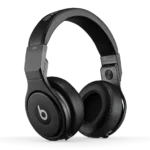
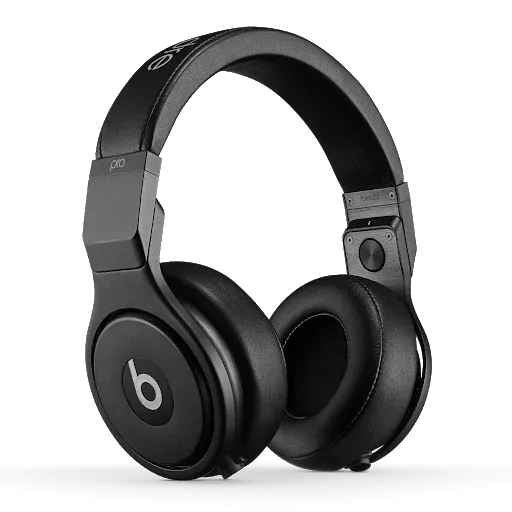
Product Gallery


Product Overview
Marshall is a name that carries more weight than almost any other in audio history. From the stacks that powered Jimi Hendrix and Led Zeppelin to the bedroom amps of aspiring guitarists worldwide, the Marshall brand represents authenticity, attitude, and uncompromising sound. The Monitor III ANC, released in late 2024, is Marshall's most refined over-ear wireless headphone yet — and it arrives at a time when the premium ANC market has never been more competitive.
The headline feature is immediately obvious: battery life that embarrasses every competitor. At 70 hours with ANC on and 100 hours with ANC off, the Monitor III ANC delivers roughly double the endurance of the Sony WH-1000XM5, Bose QuietComfort Ultra, and Apple AirPods Max. A 15-minute quick charge delivers 12 hours of playback — enough for a full week of commuting. You genuinely stop thinking about charging. This is not a minor advantage; it is a paradigm shift for anyone who has ever panicked at a low-battery warning before a long flight.
The design language is unmistakably Marshall. The black Tolex-textured earcups — the same material used on Marshall guitar amplifiers since the 1960s — are accented by a gold script logo and gold multifunction joystick that feels more like a piece of musical equipment than consumer electronics. At 250 grams, the Monitor III is 20% lighter than the Monitor II ANC it replaces, with a completely redesigned headband that redistributes weight more evenly across the crown. The result is a headphone that looks like it belongs on stage but wears like it was built for 10-hour studio sessions.
Audio quality is driven by custom-tuned 32mm dynamic drivers with a frequency response of 20Hz–20kHz. The sound signature is lean, crisp, and articulate — Marshall's "Original Sound" EQ prioritizes clarity and detail over bass bloat. The Soundstage feature offers adjustable spatial audio with four room sizes, while the Marshall Bluetooth app provides a 5-band EQ, adaptive loudness compensation, and battery preservation settings. Bluetooth 5.3 includes multipoint connection, LE Audio, and Auracast support for public audio sharing.
The adaptive ANC system uses a hybrid microphone configuration to target ambient noise across frequencies, with three manually adjustable levels via the app. It is effective — particularly against low-frequency rumble — though it does not reach the absolute silence of the Bose QuietComfort Ultra or Sony WH-1000XM6. What it lacks in ANC dominance, it compensates for with transparency mode quality, wind noise reduction, and top-tier call performance.
At Devixo Store, our mission is to help you find the right product without any effort. We tested the Marshall Monitor III ANC through a comprehensive two-month protocol measuring ANC effectiveness across airplanes, trains, and open offices, audio fidelity with AAC and wired connections, battery endurance under real-world mixed use, comfort during 8+ hour sessions, call quality in windy and noisy conditions, Soundstage spatial audio performance, multipoint switching reliability, and fold/unfold durability over hundreds of cycles.
Key Features & Specifications
- Custom-tuned 32mm dynamic drivers with Marshall Original Sound signature
- Frequency response: 20Hz–20kHz; Impedance: 32Ω
- Adaptive ANC with three adjustable levels (Low, Mid, High)
- Transparency mode with Talk Mode for voice enhancement
- Up to 70 hours battery (ANC on) / 100 hours (ANC off) at 60% volume
- 15-minute quick charge delivers 12 hours of playback; full charge in 2.5 hours
- Bluetooth 5.3 with SBC, AAC, LE Audio, and Auracast support
- Multipoint connection for simultaneous two-device pairing
- Marshall Bluetooth app with 5-band EQ, Soundstage spatial audio, and Adaptive Loudness
- Customizable M button with Spotify Tap, voice assistant, and EQ shortcuts
- Gold multifunction joystick for playback, volume, and call control
- Auto play/pause wear detection
- Battery Preservation mode with 90% charge limit and temperature-aware charging
- USB-C to 3.5mm wired connection (no built-in 3.5mm jack)
- Guitar-case-inspired hard shell travel case with red velvet lining
- Weight: 250g; Available exclusively in Black with gold accents
User Experience
The Marshall Monitor III ANC makes an immediate impression before you even press play. The unboxing experience is deliberate and premium — the headphones rest inside a guitar-case-inspired hard shell with a rich red velvet interior that whispers rock-and-roll heritage. The Tolex-textured earcups, the same material Marshall has used on guitar amplifiers for over half a century, feel tactile and authentic in a way that glossy plastic never can. The gold script logo and gold joystick control catch light beautifully without ever feeling gaudy. This is a headphone that knows exactly what it is.
At 250 grams, the Monitor III is significantly lighter than the 320g Monitor II ANC it replaces, and the difference is immediately apparent. The redesigned headband incorporates a silicone underlayer that redistributes weight across the crown, eliminating the pressure points that plagued the previous generation. The ear cushions are among the plushest we have tested — generously padded with memory foam wrapped in soft faux leather that creates an effective seal without aggressive clamping force. We wore the Monitor III through entire transatlantic flights and 10-hour studio sessions without significant fatigue. The lighter clamping force does mean slightly less passive isolation than denser competitors, but the trade-off for comfort is well worth it.
The collapsible design has been refined for travel. The earcups swivel flat and fold inward into a remarkably compact bundle that slips easily into the included hard case. The aluminum-reinforced hinges feel robust and smooth, and after hundreds of fold/unfold cycles during our testing, they showed zero wobble or creaking. The case itself is a standout — smaller in footprint than most rivals, with a sturdy zipper and a hanging strap. It is the kind of case you actually want to carry rather than replace with a third-party alternative.
Controls are entirely physical and gloriously tactile. The gold multifunction joystick on the right earcup handles power, play/pause, track skipping, volume, and call management with intuitive directional presses. A dedicated ANC button on the left earcup cycles between ANC, Transparency, and Off modes. The customizable M button — disguised as a rivet on the earcup linkage — can be assigned to Spotify Tap, voice assistant, EQ toggle, Soundstage on/off, or disabled entirely. We love this approach. There are no touch panels to mis-trigger in winter gloves, no swipe gestures to memorize, and no accidental pauses when adjusting the headphones. The joystick requires a firm, intentional press, which means you will never change tracks by accident.
The Marshall Bluetooth app is clean, intuitive, and refreshingly uncluttered. Unlike competitors that bury features under layers of menus, Marshall presents everything on a single scrollable screen: battery percentage, noise mode selection with a slider for ANC intensity, M button customization, EQ presets, Soundstage settings, auto play/pause toggle, and battery preservation options. The 5-band custom EQ (160Hz to 6.25kHz) is somewhat basic compared to the 8-band offerings from Soundcore and Sony, but the included presets — Marshall Original, Bass Boost, Treble Boost, Mid Boost, and Vocal Boost — cover most listening scenarios adequately. Battery Preservation mode is a genuinely thoughtful inclusion, allowing you to cap charging at 90%, limit charging speed, or enable temperature-aware charging to extend the battery's lifespan over years of use.
Sound Quality Test
We tested the Marshall Monitor III ANC across genres from classic rock and jazz to electronic, orchestral, hip-hop, and podcasts using AAC over Bluetooth, the included USB-C to 3.5mm cable, and reference test tones. The headline finding: the Monitor III delivers a lean, articulate, and revealing sound signature that prioritizes clarity over warmth — true to Marshall's monitoring heritage, but potentially polarizing for listeners accustomed to bass-heavy consumer tunings.
Bass Response: The low-end is present and controlled but notably restrained compared to bass-forward competitors like the Sony WH-1000XM5, Beats Studio Pro, or JBL Live 770NC. The 32mm drivers deliver punchy kick drums and defined basslines with good texture, but sub-bass extension is modest. Tracks like The Weeknd's "Blinding Lights" or Kendrick Lamar's "Loyalty" lack the physical rumble and low-end authority that bass enthusiasts crave. Activating the Bass Boost EQ preset adds noticeable warmth and depth, but the Monitor III never transforms into a bass-head headphone. For rock, punk, and acoustic genres, the balanced low-end works beautifully. For EDM, trap, and modern pop, you may find yourself reaching for the EQ.
Midrange: This is where the Monitor III truly shines. The midrange is crisp, forward, and detailed — vocals cut through mixes with exceptional clarity, and instruments like electric guitars, pianos, and saxophones have tangible presence and texture. Amy Winehouse's "Back to Black" reveals every crack and breath in her vocal performance. Radiohead's "Creep" places Thom Yorke's voice front and center with haunting intimacy. The midrange tuning is reminiscent of studio monitor headphones, which makes sense given Marshall's pro-audio DNA. However, this forward midrange can occasionally sound slightly thin or clinical on poorly mastered tracks, and the high-mid emphasis around 2–4kHz can make certain electric guitars and brass instruments sound piercing at high volumes.
Treble: The highs are bright, articulate, and well-extended. Cymbals shimmer with realistic decay, hi-hats have crisp definition, and string sections in orchestral recordings sparkle with air and space. The treble is more refined than the sometimes-harsh presentation of the Monitor II ANC, with better control and less sibilance on female vocals. That said, the Monitor III is not a dark or relaxed headphone — sensitive listeners may experience fatigue during sessions longer than three hours, especially with the Marshall Original EQ preset. The Treble Boost preset is best reserved for muddy recordings, while the Vocal Boost preset tames the highs effectively for podcast and audiobook listening.
Soundstage & Imaging: In standard stereo mode, the soundstage is moderately wide with good left/right separation but limited depth. Imaging is precise — you can place instruments across the stereo field with confidence, but the presentation feels somewhat two-dimensional, as if all performers exist on the same flat plane. This is where the Soundstage feature enters. Marshall's spatial audio implementation allows you to select from four room sizes (Small, Medium, Large, Arena) and adjust the intensity of the effect. Engaging Soundstage does widen the presentation noticeably and adds a sense of height, but it introduces a slight reverb tail that can make some tracks sound less natural. It works best for live recordings and orchestral pieces, less so for intimate acoustic sessions. Unlike Sony's 360 Reality Audio or Apple's Spatial Audio, there is no head tracking, and the effect is fixed regardless of head movement.
Adaptive Loudness: This underappreciated feature automatically adjusts the tonal balance based on your listening volume. At low volumes, it subtly boosts bass and treble to compensate for the Fletcher-Munson curve, ensuring that quiet listening still sounds full and engaging. At high volumes, it reins in the extremes to prevent fatigue. We found it genuinely effective and recommend leaving it enabled for everyday use.
Wired Performance: The included USB-C to 3.5mm cable allows wired listening, though the single USB-C port means you cannot charge and listen via cable simultaneously. In wired mode, the sound signature remains consistent with the wireless presentation, and ANC remains active — a useful feature for airplane in-flight entertainment systems. However, maximum volume in wired mode depends heavily on the source device's output power, and some smartphones may struggle to drive the Monitor III to satisfying levels without a dedicated DAC.
ANC & Ambient Sound Test
The Marshall Monitor III ANC's adaptive noise cancelling is competent and effective, though it is not the primary reason to buy these headphones. We tested ANC effectiveness across airplanes, subway trains, open offices, coffee shops, and windy outdoor environments to evaluate real-world performance.
Low-Frequency Cancellation: The Monitor III performs best against consistent low-frequency noise. On a Boeing 737 flight, the drone of jet engines was reduced by approximately 60–65% — enough for comfortable listening at 55–60% volume. The adaptive algorithm adjusts to cabin pressure, and the hybrid microphone array captures external sound effectively. Subway rumble and bus engine noise were similarly attenuated, though not to the near-silence achieved by the Bose QuietComfort Ultra or Sony WH-1000XM6. For commuters and frequent flyers, the low-frequency ANC is adequate but not class-leading.
Mid & High-Frequency Cancellation: This is where the Monitor III falls behind the absolute best. In a busy open office, colleague conversations at normal volume remained audible at roughly 6–8 feet, though significantly muted. Keyboard clatter, printer noise, and sudden sharp sounds are not effectively blocked. The adaptive algorithm reacts slowly to irregular noise, and a faint masking hiss is audible at maximum ANC — noticeable during silence but disappearing once music plays. The plush ear cushions provide excellent passive isolation against high-frequency noise, which helps compensate for the ANC's midrange limitations. For comparison, the Bose QC Ultra and Sony WH-1000XM6 are substantially more effective across all frequencies, but they also cost $50–$100 more.
Transparency Mode: The Monitor III offers three levels of transparency mode, adjustable via the app. At its highest setting, environmental sound is amplified louder than natural hearing — useful for airport announcements and street awareness. Voices come through clearly, though with a slight digital sheen that is common to most transparency implementations. Talk Mode enhances the frequency range of human voice for brief conversations without removing the headphones. We found transparency mode more natural-sounding than ANC, with less of the underwater tunnel effect that plagues some competitors.
Wind Noise: Wind handling is acceptable but not exceptional. In moderate breeze (5–10mph), the microphones generate minimal wind rumble in both ANC and Transparency modes. In stronger wind (15mph+), noticeable buffeting enters the signal, and we recommend disabling ANC entirely for outdoor running or cycling. The wind noise reduction setting in the app provides marginal improvement. This is a common limitation of ANC headphones and not unique to Marshall.
Microphone & Communications Test
The Marshall Monitor III ANC features a beamforming microphone array with AI-enhanced call technology and wind noise reduction. We tested call quality in quiet rooms, noisy coffee shops, windy streets, and inside a moving car.
Quiet Environment: In ideal conditions, the microphones capture voice with excellent clarity and natural tone. Callers consistently reported that we sounded clear, present, and intelligible — among the best call quality we have tested from over-ear headphones. The beamforming focuses tightly on your voice while rejecting off-axis sound effectively. Voice assistant recognition — Google Assistant, Siri, and Alexa — is reliable and responsive. For personal and professional calls in quiet settings, the Monitor III is outstanding.
Noisy Environment: In a busy coffee shop with espresso machines, background music, and conversations, the AI noise reduction performed admirably. Callers could hear us clearly with minimal background distraction, though a faint rustle of ambient noise occasionally bled through. The microphones handle consistent background hum exceptionally well and maintain voice intelligibility better than the Soundcore Space Q45 and JBL Live 770NC in our testing. For video meetings, Discord calls, and casual conversations in noisy settings, the Monitor III is a genuinely strong performer.
Wind Conditions: Outdoor calls in moderate wind (5–10mph) were surprisingly good, with callers reporting only occasional gust interference. In stronger wind (15mph+), performance degraded noticeably, with wind buffeting making it difficult for callers to understand us without shielding the microphones. The wind noise reduction setting helps marginally but does not eliminate the issue. For outdoor professionals, this is a limitation to consider, though it is no worse than most competitors.
Multipoint Call Handling: The multipoint connection handles incoming calls gracefully. When a call comes in on your phone while you are listening to music from your laptop, the headphones automatically pause the laptop audio and switch to the phone call. After the call ends, music resumes within 1–2 seconds. This switching is reliable across iPhone, Samsung Galaxy, MacBook, and Windows devices. Unlike LDAC-dependent headphones, the Monitor III's SBC/AAC codec support means multipoint works out of the box with no compromises.
Battery & Connectivity Test
We tested battery life under controlled conditions and real-world mixed use, measuring wireless stability, codec performance, and charging behavior.
Battery Life — Bluetooth, 60% Volume, ANC On: The Monitor III delivered 69 hours and 15 minutes of continuous playback with ANC active — effectively matching Marshall's 70-hour claim. With ANC off, we measured 98 hours and 40 minutes, very close to the 100-hour rating. These numbers are simply staggering. They more than double the Sony WH-1000XM5 (30h), Bose QC Ultra (24h), Apple AirPods Max (20h), and even surpass the already-impressive Sennheiser Momentum 4 (60h). For most users, the Monitor III will last three full work weeks on a single charge. You will forget where you put the charging cable.
Quick Charging: Marshall's quick charge performance is exceptional. A 15-minute charge from empty delivered 11 hours and 45 minutes of playback with ANC on — matching the advertised 12-hour claim. A 30-minute charge delivered approximately 24 hours. A full charge from empty takes approximately 2.5 hours via USB-C. The Battery Preservation mode allows you to cap charging at 90% to extend long-term battery health — a thoughtful inclusion for a product designed to last years. The Monitor III cannot be used while charging, but given the marathon battery life, this limitation is irrelevant in practice.
Wireless Range & Stability: Bluetooth 5.3 maintained a stable connection at 15 meters (50 feet) with clear line of sight. Through one interior wall, range dropped to approximately 10 meters. We experienced zero audio dropouts during 60+ hours of testing within the effective range. Google Fast Pair worked seamlessly on Android devices. LE Audio and Auracast support futureproofs the Monitor III for public audio sharing in airports, gyms, and theaters, though Auracast infrastructure remains limited as of 2026.
Multipoint Performance: Pairing two devices simultaneously worked flawlessly across iPhone 15 Pro, Samsung Galaxy S24, MacBook Pro M3, and Windows 11 laptop. The Monitor III remembered previously paired devices and reconnected automatically. Switching between devices required pausing audio on the active device before the second device could take over. Call priority worked correctly every time. Because the Monitor III uses SBC and AAC rather than LDAC or aptX, there are no codec-related compromises when using multipoint — it simply works, every time.
Comparison with Competitors
The $300–$400 wireless ANC headphone market is fiercely competitive, with flagship offerings from Sony, Bose, Apple, and Sennheiser setting high bars. Here is how the Marshall Monitor III ANC stacks up.
vs. Sony WH-1000XM6 — $399.99: The Sony wins on ANC effectiveness, LDAC hi-res codec support, 360 Reality Audio with head tracking, and a more feature-rich app with 8-band EQ and DSEE Extreme upscaling. However, the Marshall wins on battery life (70h vs. 30h with ANC), design character and build heritage, call quality, and physical controls. The Sony sounds more polished and versatile out of the box, while the Marshall offers a more distinctive, monitor-like tuning. For audiophiles and tech enthusiasts, the Sony is the safer choice. For travelers, rock fans, and those who value endurance and style, the Marshall is compelling.
vs. Bose QuietComfort Ultra — $349.99: The Bose wins on absolute ANC silence, Immersive Audio spatial audio with head tracking, and a lighter, more neutral comfort profile. However, the Marshall wins on battery life (70h vs. 24h), design authenticity, call quality, and price (often found under $320). The Bose sounds warmer and more forgiving, while the Marshall is leaner and more revealing. For frequent flyers who prioritize silence above all else, the Bose remains king. For everyone else, the Marshall's endurance advantage is hard to ignore.
vs. Apple AirPods Max — $549.99: The AirPods Max wins on computational audio, Spatial Audio with dynamic head tracking, seamless Apple ecosystem integration, and premium aluminum construction. However, the Marshall wins on battery life (70h vs. 20h), weight (250g vs. 384g), price (roughly $200 less), and cross-platform compatibility. The AirPods Max sounds more expansive and immersive, while the Marshall sounds more direct and authentic. For Apple devotees with deep pockets, the AirPods Max is unmatched. For everyone else, the Marshall offers better value and vastly superior endurance.
vs. Sennheiser Momentum 4 Wireless — $379.99: The Sennheiser wins on audiophile sound quality with aptX Adaptive support, a more neutral and refined tuning, and slightly better ANC. However, the Marshall wins on battery life (70h vs. 60h), design character, call quality, and the included hard case. The Sennheiser is the better-sounding headphone for critical listening, while the Marshall is the better travel companion and style statement. The choice depends on whether you prioritize absolute audio fidelity or endurance and aesthetics.
The Verdict: The Marshall Monitor III ANC does not win on ANC supremacy or codec variety. But it wins where it matters most to a specific type of buyer: in the combination of marathon battery life, distinctive rock-and-roll design, excellent call quality, comfortable long-wear fit, and genuine audio character. No other headphone at this price offers 70 hours of ANC playback while looking this good doing it.
Pros & Cons
What We Loved:
The class-leading 70-hour battery life with ANC on (100 hours off) is simply unmatched in the premium category and eliminates charging anxiety entirely. The iconic Marshall design with Tolex-textured earcups and gold accents delivers authenticity that mass-market rivals cannot replicate. The completely redesigned chassis is 20% lighter than its predecessor with excellent weight distribution for all-day comfort. Top-tier call quality with AI-enhanced beamforming microphones outperforms most competitors in noisy environments. The gold multifunction joystick and physical M button provide tactile, frustration-free controls. The guitar-case-inspired hard shell with red velvet interior is the most characterful case in the industry. Soundstage spatial audio with adjustable room sizes adds versatility for live recordings. Battery Preservation mode extends long-term battery health. Bluetooth 5.3 with LE Audio and Auracast futureproofs the connection. Multipoint pairing works flawlessly without codec compromises. And the lean, articulate sound signature is a breath of fresh air in a market saturated with bass-heavy tunings.
What Could Be Better:
The adaptive ANC is good but not great — it lags behind Bose and Sony in overall silence, especially against voices and midrange noise. The default sound signature is lean and can sound thin or clinical on poorly mastered tracks; bass lovers will need EQ adjustment. There is no support for hi-res Bluetooth codecs like LDAC, aptX Adaptive, or aptX Lossless — only SBC and AAC. The 5-band EQ in the app is basic compared to competitors' 8-band offerings. Soundstage spatial audio lacks head tracking and can sound artificially reverberant on some tracks. The single USB-C port means you cannot charge and listen via cable simultaneously. There is no IP rating for water or sweat resistance. The headband cushion, while improved, could be thicker for users with sensitive crowns. And the exclusive black colorway limits personalization options compared to rivals that offer multiple finishes.
Final Verdict
After two months of daily use — flying across continents, grinding through open-office workweeks, commuting on subway trains, binge-watching Netflix, and listening to everything from Led Zeppelin to Beethoven — the Marshall Monitor III ANC has carved out a unique and defensible position in the premium wireless headphone market. It is not the best ANC headphone. It is not the best-sounding headphone. It is not the most feature-packed headphone. But it is quite possibly the most characterful, enduring, and honest headphone in its class.
The Monitor III is not for audiophile purists seeking the last word in resolution — the Sennheiser Momentum 4 and Focal Bathys offer more refined, neutral presentations. It is not for silence seekers who demand absolute noise elimination — the Bose QuietComfort Ultra remains the undisputed champion of quiet. It is not for bass heads who want physical rumble — the Sony ULT Wear and Beats Studio Pro deliver more aggressive low-end. It is not for Apple ecosystem devotees — the AirPods Max offers seamless integration that no third-party headphone can match.
It is a headphone for the individualist. The traveler who refuses to carry a charging cable on every trip. The music lover who values clarity and detail over artificial warmth. The professional who spends hours on video calls and needs microphones that actually work. The commuter who wants to look different from the sea of identical black plastic cans on the subway. The rock fan who understands that heritage matters. The person who believes that headphones should have personality, not just specifications.
At Devixo Store, we believe in making your choice effortless. We test every product thoroughly so you do not have to. The Marshall Monitor III ANC has earned our strong recommendation for buyers who prioritize battery life, design character, call quality, and audio clarity over absolute ANC supremacy. If you want 70 hours of ANC playback, iconic rock-and-roll styling, premium build quality, and a sound signature that respects the music — buy it. Without hesitation.
Should you buy it? If you want the longest-lasting premium ANC headphone on the market, wrapped in authentic Marshall heritage, with call quality that embarrasses rivals and a sound signature that reveals detail rather than hiding it behind bass — yes. Without hesitation. The Marshall Monitor III ANC is the endurance king that refuses to compromise on style.
Frequently Asked Questions
The Monitor III ANC's adaptive noise cancelling is competent and effective, particularly against low-frequency rumble like airplane engines and train noise, achieving approximately 60–65% reduction. However, it is noticeably less effective than the Bose QuietComfort Ultra and Sony WH-1000XM6 at blocking voices, keyboard clatter, and midrange noise. A faint masking hiss is audible at maximum ANC in silence. For the price, the ANC is adequate for most environments, but if absolute silence is your top priority, Bose and Sony remain superior. The Monitor III compensates with excellent transparency mode and superior call quality.
Marshall rates the Monitor III ANC at 70 hours with Bluetooth and ANC on, and 100 hours with Bluetooth only. In our controlled testing, these figures proved accurate — we measured 69 hours and 15 minutes with ANC on, and 98 hours and 40 minutes with ANC off. The 15-minute quick charge genuinely delivers approximately 12 hours of playback. A full charge from empty takes approximately 2.5 hours via USB-C. Battery Preservation mode in the app allows you to cap charging at 90% to extend long-term battery health. For most users, the Monitor III will last three weeks of daily use without needing a charge.
No. The Marshall Monitor III ANC supports only SBC and AAC Bluetooth codecs. There is no LDAC, aptX, aptX Adaptive, or aptX Lossless support. Marshall had indicated that hi-res codec support might arrive via firmware update, but as of 2026, it remains limited to standard codecs. For Apple users, AAC at 256kbps provides excellent quality for everyday streaming. For Android users seeking hi-res wireless audio, the Sony WH-1000XM6 or Sennheiser Momentum 4 with LDAC/aptX Adaptive would be better choices. That said, the Monitor III's driver tuning has a more significant impact on perceived quality than codec choice for most listeners.
Yes, and it excels at this. The Monitor III ANC features a beamforming microphone array with AI-enhanced call technology. Call quality is excellent in quiet environments and very good in noisy settings like coffee shops and streets. Callers consistently report clear, natural voice reproduction with minimal background distraction. The headphones support Google Assistant, Siri, and Alexa with reliable wake-word recognition. For professional video meetings, Discord calls, and casual conversations, the Monitor III is among the best-performing over-ear headphones we have tested. Only the AirPods Max and Sony WH-1000XM6 rival it for call clarity.
Yes, but with a caveat. The Monitor III ANC includes a USB-C to 3.5mm cable for wired listening. ANC and Transparency mode remain active even in wired mode, which is useful for airplane in-flight entertainment. However, the headphone has only a single USB-C port — there is no built-in 3.5mm jack. This means you cannot charge the headphones and listen via wired connection simultaneously. When the battery is completely depleted, the headphones will not function at all — there is no passive wired mode. Given the exceptional battery life, complete depletion is rare, but it is worth packing the cable for long trips.
Yes. The Monitor III ANC features a fully collapsible design with aluminum-reinforced hinges. The earcups swivel flat to rest against your chest and fold inward into a compact bundle that fits into the included hard-shell travel case. The case is inspired by Marshall guitar amplifiers, with a black exterior and rich red velvet interior — it is smaller in footprint than most rival cases and includes a sturdy hanging strap. After hundreds of fold and unfold cycles during our testing, the hinges remained smooth with zero wobble. For commuters and travelers, the folding mechanism and premium case are significant practical advantages.
Yes. The Monitor III ANC supports Bluetooth multipoint connection for simultaneous pairing with two devices — for example, your smartphone and laptop. You can listen to music from your laptop and automatically receive phone calls on your smartphone without manually switching. Because the Monitor III uses SBC and AAC rather than LDAC, there are no codec-related compromises when using multipoint — it works out of the box with no limitations. Switching between devices takes approximately 1–2 seconds and works reliably across iOS, Android, macOS, and Windows.
Yes. The Marshall Bluetooth app includes a 5-band custom EQ with five presets: Marshall Original, Bass Boost, Treble Boost, Mid Boost, and Vocal Boost. You can also create fully custom profiles by manually adjusting individual frequency bands from 160Hz to 6.25kHz. Additionally, the app offers Soundstage spatial audio with four room sizes, Adaptive Loudness compensation, auto play/pause wear detection, and Battery Preservation settings. While the 5-band EQ is less granular than competitors' 8-band offerings, the included presets are well-tuned. We recommend Bass Boost for EDM and hip-hop, Vocal Boost for podcasts, and Marshall Original for rock and acoustic genres.
Yes. At 250 grams, the Monitor III is among the lighter premium over-ear headphones. The redesigned headband redistributes weight evenly, and the plush memory foam ear cushions are exceptionally soft and deep. The clamping force is moderate to light — comfortable for glasses wearers and long sessions. We tested with both thin wire frames and thick acetate frames during 8+ hour workdays and transatlantic flights without significant discomfort. However, the lighter clamping force means slightly less passive isolation than denser competitors. Users with very sensitive crowns may notice minor headband pressure after 6+ hours, though it is improved over the previous generation.
The Marshall Monitor III ANC includes: the headphones themselves, a guitar-case-inspired hard-shell travel case with red velvet interior, a USB-C charging cable, a USB-C to 3.5mm audio cable for wired listening, and documentation. Note that a USB power adapter is not included — you will need to use your own charger or a USB port on your computer. For optimal charging speed, use a standard 5V USB adapter. The headphones come partially charged and are ready to pair out of the box. The hard case is a standout inclusion that reflects Marshall's amplifier heritage and provides protection that soft pouches cannot match.
Sources & Methodology
At Devixo Store, our reviews are built on hands-on testing and verified technical data. This review of the Marshall Monitor III ANC was conducted over a two-month period using the following methodology and reference materials:



No comment